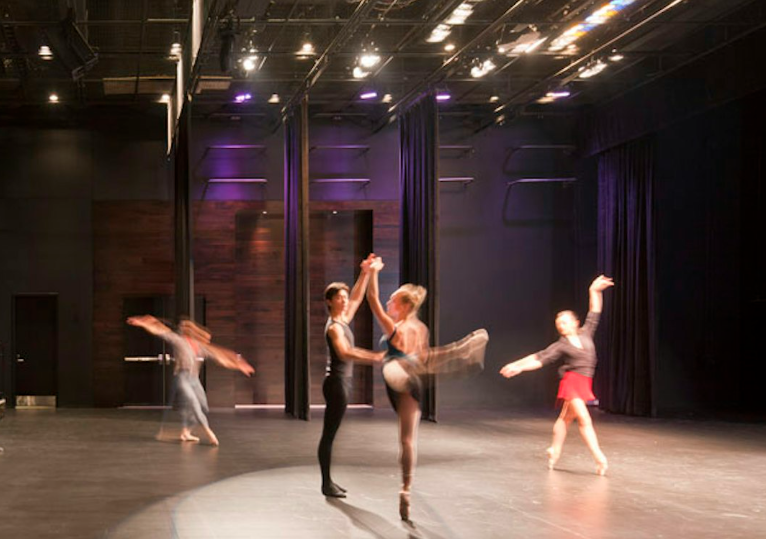
Structured progressions with measurable benchmarks
Our class sequences are intentionally modular so students move through clearly-defined stages of skill acquisition. Each progression includes discrete benchmarks—movement patterns, stability markers, alignment checks and timing tasks—that instructors assess periodically. Benchmarks are practical and observable: for example, a student may first demonstrate consistent alignment in basic turns, then combine that alignment with increased rotational speed and finally apply it within a short choreographic phrase. This staged approach ensures training remains focused, reduces wasted practice time, and provides objective indicators of readiness for increased complexity. Teachers use brief written notes and video clips to document progress, enabling meaningful feedback loops that support consistent development across terms.
Small-group coaching for personalised correction
We limit group sizes to ensure each participant receives timely, actionable adjustments during class. Small groups allow teachers to use hands-on guidance, precise verbal cues and micro-drills that isolate weak links in a movement sequence. Personalised attention speeds learning as instructors can immediately tailor regressions and progressions to each student’s physical capacity. This format supports differentiated instruction—advanced variations for experienced movers and scaled options for learners building foundational control—within the same session. The result is a safer, more effective learning environment where students spend more time practicing the right thing rather than repeating errors.
Evidence-informed conditioning integrated into classes
Physical conditioning is integrated into technique work rather than treated as an isolated add-on. Sessions include specific strength and mobility segments that directly support the movement vocabulary being trained—such as targeted hip stability routines for turns, scapular control work for lifts, and progressive plyometrics for dynamic sequences. Conditioning is periodised to match rehearsal loads and allow recovery; teachers introduce variations that respect previous injuries and current load tolerance. This alignment between skill practice and conditioning enhances transfer, lowers injury risk and builds reliable physical capacity for the artistic demands of choreography and performance.
Mentored creative labs and choreographic practice
Creativity is fostered through mentored labs where participants explore improvisation, composition and collaborative creation. These labs are led by practicing choreographers who guide experiments in phrasing, spatial design and musical interpretation. Labs emphasise process over product: students practice devising short motifs, refining movement transitions, and developing a sense of dramaturgy. The lab structure helps performers learn to translate technical skill into expressive choices, gaining confidence in decision-making and stage presence. Regular feedback sessions support reflection and iterative refinement of ideas, equipping dancers to contribute meaningfully in collaborative projects and productions.
Teacher development and a shared pedagogical language
We run mentor programmes to develop instructors’ practical classroom skills—session design, cue economy, safety management and formative assessment. By sharing a common pedagogical framework, teachers deliver consistent experiences across classes and levels, so students moving between instructors encounter predictable progressions. Mentorship includes observation rounds, structured feedback, and co-teaching opportunities. Investment in teacher development improves overall programme quality and supports a sustainable community of practitioners who can independently lead classes while maintaining pedagogical coherence and safety standards.
Performance platforms and community showcases
We organise periodic showcases and open studio nights where learners can perform short works in supportive settings. These platforms provide real-world rehearsal and performance experience—stage timing, cueing, lighting interaction, and audience presence. The showcases are curated to match student readiness, with technical rehearsal and notes provided in advance. For many learners, these events are the culmination of a training cycle: they consolidate technical gains, build confidence, and create opportunities for peer feedback and celebration. Community-facing performances also strengthen local ties and invite public engagement with our programmes.